Rose Hair Tarantula Care Top 5 Tips
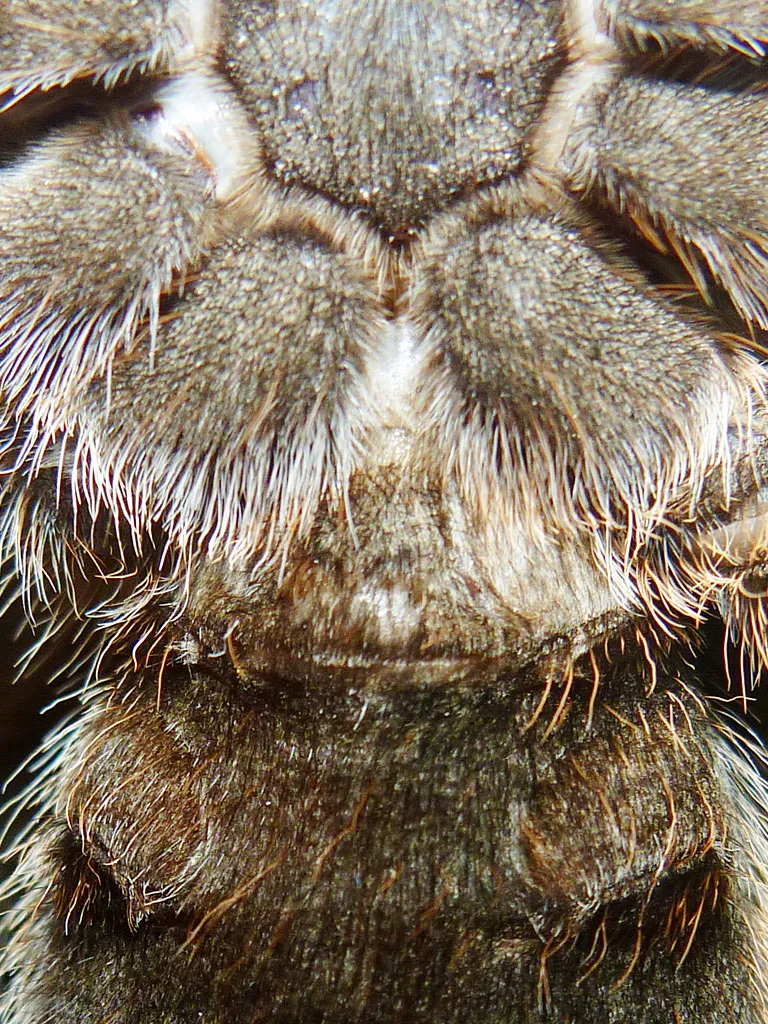
The Rose Hair Tarantula, Grammostola rosea, is a popular pet due to its docile nature and relatively easy care requirements. Native to the deserts of Chile, Argentina, and Bolivia, these arachnids have become a favorite among beginner tarantula keepers. However, providing the right environment and care is crucial for their health and longevity. This guide offers the top 5 essential tips for successfully keeping a Rose Hair Tarantula as a pet. Proper care ensures your tarantula thrives, allowing you to enjoy observing this fascinating creature. These majestic creatures often live for many years with the proper care, allowing you a long-term companionship with this fantastic pet.
Choosing the Right Enclosure
The first step in Rose Hair Tarantula care is selecting the appropriate enclosure. The size and type of enclosure significantly impact the tarantula’s well-being. A suitable enclosure provides a safe and comfortable habitat, allowing the tarantula to exhibit natural behaviors. Furthermore, the enclosure needs to be secure to prevent escapes. Consider the adult size of the tarantula when choosing an enclosure, as they can grow quite large. Choosing the right enclosure from the start is a key part of providing excellent Rose Hair Tarantula care, ensuring your pet has a happy life.
Enclosure Size and Substrate

For an adult Rose Hair Tarantula, a 10-gallon tank or a similar sized enclosure is generally sufficient. Avoid tanks that are too tall, as tarantulas can fall and injure themselves. The enclosure should have a secure lid to prevent escapes. The substrate should be deep enough to allow the tarantula to burrow. A substrate of about 4-6 inches is recommended. Suitable substrates include a mix of peat moss, vermiculite, and a little bit of coconut fiber. This mix helps to maintain the necessary humidity levels. Always ensure the substrate is clean and replaced periodically to maintain a healthy environment. A clean, well-sized enclosure with suitable substrate will ensure your pet has a great place to live.
Maintaining Humidity and Temperature
Rose Hair Tarantulas thrive in a specific range of humidity and temperature. Maintaining these conditions is vital for their health and proper molting. A proper environment is critical for your pet to thrive. Improper temperature or humidity can lead to health issues. To maintain a happy pet, you need to know the best climate for them. Regularly monitoring humidity and temperature is also key. They are sensitive to environmental changes, so you’ll want to maintain the proper climate at all times. This is key to successful Rose Hair Tarantula care.
Humidity and Temperature Requirements
The ideal temperature for a Rose Hair Tarantula is between 75-85°F (24-29°C). A heat source, such as a heat mat placed on the side of the enclosure, can be used to maintain the temperature. Always monitor the temperature with a thermometer. The humidity level should be kept between 60-70%. This can be achieved by misting the enclosure with water every few days. Avoid oversaturating the substrate, as this can lead to mold growth. A hygrometer is useful for monitoring humidity levels. Regular monitoring will let you keep your pet at the best humidity and temperature for a long and healthy life.
Feeding Your Rose Hair Tarantula

Proper feeding is essential for the health and growth of your Rose Hair Tarantula. These tarantulas are opportunistic feeders, primarily consuming insects in the wild. Understanding their dietary needs and providing the right food is crucial. Make sure you know the appropriate food types and a feeding schedule that supports your tarantula’s health. Overfeeding should also be avoided to keep your pet from becoming unhealthy. By following these guidelines, you can help your tarantula live a long and healthy life. Providing the right food is a central part of Rose Hair Tarantula care.
Appropriate Food and Feeding Schedule
Rose Hair Tarantulas primarily eat insects. Suitable food items include crickets, mealworms, and Dubia roaches. The size of the food should be appropriate for the size of your tarantula; a general rule is to offer prey items no larger than the tarantula’s abdomen. Feed adult tarantulas every 1-2 weeks. Spiderlings and juveniles require more frequent feeding, about twice a week. Always remove any uneaten prey items within 24 hours to prevent stress and potential harm to the tarantula. Ensure the insects are gut-loaded with nutritious food before feeding them to your tarantula. Clean water should always be available as well.
Providing Fresh Water
Clean water is essential for a Rose Hair Tarantula’s health and well-being. Tarantulas need a constant supply of fresh water for drinking and maintaining hydration. Always make sure that fresh water is available. This may seem simple, but proper hydration is vital. A proper water source is central to successful Rose Hair Tarantula care.
Water Dish and Replacements

Provide a shallow water dish that is easily accessible. The dish should be stable and not easily tipped over. Use a water dish that is appropriately sized for the tarantula. Make sure that the dish is also shallow to prevent the tarantula from accidentally drowning. Replace the water in the dish at least twice a week, or more frequently if it becomes soiled. Use clean, dechlorinated water to avoid any potential health issues. Regularly cleaning and refilling the water dish ensures your tarantula has access to fresh, clean water.
Handling Your Rose Hair Tarantula
While Rose Hair Tarantulas are known for their docile nature, handling them should be done with caution and respect for the animal. Handling can be stressful for tarantulas, and it is generally recommended to avoid it unless necessary, such as for enclosure maintenance or health checks. Always approach handling with care. Understanding how to safely handle your pet is a part of Rose Hair Tarantula care.
Safe Handling Practices
If handling is necessary, do so close to the ground or a soft surface. This minimizes the risk of injury if the tarantula falls. Gently encourage the tarantula to walk onto your hand. Avoid sudden movements or loud noises, as these can startle the tarantula. Never grab or squeeze the tarantula. Always wash your hands before and after handling. Be aware that Rose Hair Tarantulas have urticating hairs on their abdomen, which can cause irritation if they come into contact with your skin. If you’re bit, seek medical attention. Understanding the risks and practicing safe handling methods are essential for both you and your tarantula’s well-being.
Monitoring Your Tarantula’s Health
Regularly monitoring your Rose Hair Tarantula’s health is a crucial aspect of providing good care. Keeping an eye on your tarantula allows you to quickly identify any potential health issues and take appropriate action. Look for signs of health problems to ensure that your pet lives a long and happy life. This vigilance contributes significantly to the success of Rose Hair Tarantula care.
Signs of a Healthy Tarantula
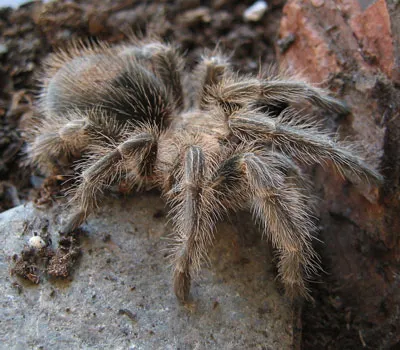
A healthy Rose Hair Tarantula should be active and alert, with a plump abdomen. Its fangs should be intact. Observe the tarantula’s feeding behavior and look for signs of molting. A healthy tarantula will eat regularly and show signs of molting. During molting, the tarantula sheds its exoskeleton, a process that is essential for growth. Watch for signs of a healthy molt, such as the tarantula lying on its back. If you observe any unusual behaviors, such as lethargy, loss of appetite, or erratic movements, consult with a veterinarian or experienced tarantula keeper. Early detection and intervention can make a significant difference in the health of your pet.
Caring for a Rose Hair Tarantula can be a rewarding experience. By following these five tips, you can create a comfortable and healthy environment for your pet. Remember to always prioritize their well-being and provide them with the care they need to thrive. With proper care, your Rose Hair Tarantula can become a fascinating and long-lived companion. Enjoy the unique experience of owning a Rose Hair Tarantula.